
Two Ways to Compare Kitchen Brands
What Most Homeowners Compare
-
Door Styles
-
Material & Color Selection
-
Showroom Displays
-
Promotional Pricing
-
Current Trends
-
Initial Quotes
-
Brand Reputation
What Actually Separates Kitchen Brands
-
Manufacturing System & Technologies
-
Construction Quality
-
Engineering & Hardware
-
Serviceability & Replacement Parts
-
Design Flexibility
-
Long-Term Value
-
Real Project Fit
Why This Matters
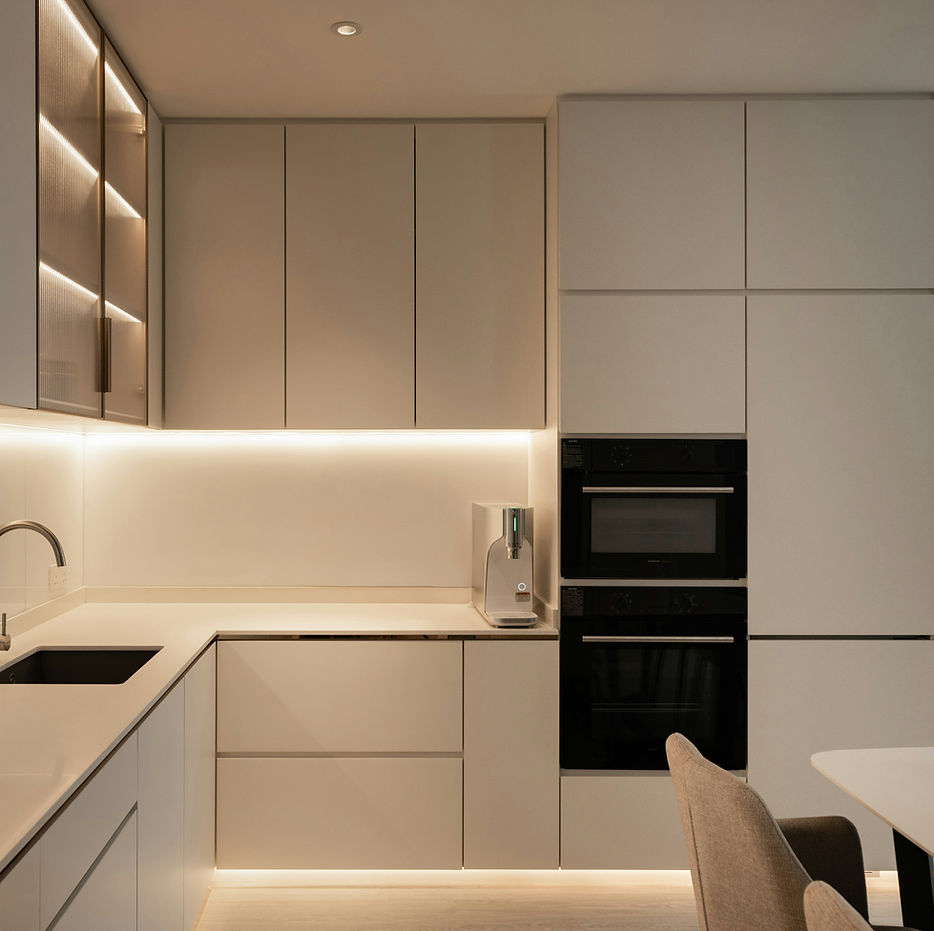
Most kitchen brands can produce visually similar kitchens.
A showroom display, door style, or promotional offer may tell you very little about how a kitchen is manufactured, how it performs over time, how easily replacement parts can be obtained years later, or how effectively the system can adapt to your specific project.
Two kitchens may appear nearly identical at first glance while differing significantly in manufacturing quality, customization options, lead times, service support, and overall investment. Understanding those differences often leads to better decisions than focusing exclusively on aesthetics or price.
Kitchen Brands by Budget
Entry Level Kitchen Brands
Typical Cabinetry Investment:
$10k-$25k+
Example Brands:
Ikea, Fabuwood, Form Kitchens, KraftMaid, Hampton Bay
Best for:
Budget-conscious renovation

Mid-Range Kitchen Brands
Typical Cabinetry Investment:
$25k-$60k+
Example Brands:
Ballerina, Bauformat, Nobilia, Scavollini, Schueller, Beckermann
Best for:
Balance of quality and value


Luxury Kitchen Brands
Typical Cabinetry Investment:
$60k-$120k +
Example Brands:
Leicht, SieMatic, Polifrom, Poggenpohl, Valcucine, Cesar
Best for:
High-end residential projects

Ultra-Luxury Kitchen Brands
Typical Cabinetry Investment:
$120k +
Example Brands:
Boffi, Eggersmann, bulthaup, Henrybuilt, Lanserring, Bakes&Kropp, Jewett Farms, Christopher Peakock
Best for:
Fully bespoke luxury homes
These categories are broad generalizations intended to help homeowners understand where brands are typically positioned in the market. Pricing varies significantly depending on layout size, finishes, customization, accessories, appliances, and project requirements.
See What Different Kitchen Budgets in NYC Actually Look Like
See how different kitchen brands, layouts, finishes, and appliance selections impact overall investment.
Why Do Costs Increase as You Move Up the Market?
While kitchens across different price categories can often look surprisingly similar in photographs, the differences typically lie in manufacturing quality, customization options, engineering, material selections, serviceability, and the level of flexibility available to adapt the kitchen to a specific project. As investment levels increase, homeowners generally gain access to more finishes, storage solutions, customization opportunities, and design freedom.
Not All Kitchen Brands Are Built the Same Way
Major Kitchen Brand Categories
The kitchen industry consists of several distinct categories of manufacturers.
The level of customization, cabinet construction, material selections, finish options, engineering, and product offerings available from a brand often determine where it sits within the market. Understanding these categories helps explain why some brands compete primarily on value, while others focus on design flexibility, advanced functionality, premium materials, or bespoke craftsmanship.
Flat-Pack & Ready-to-Assemble
Typical Investment: $10k–$25k+
Common Origins:
Scandinavia, Asia, Global OEM Manufacturing
Popular Budget Friendly Kitchen Brands:
IKEA, Barker Cabinets, CliqStudios
What to Expect
-
Assembly required
-
Immediate Availability
-
Standard cabinet sizes
-
Limited material & finish selections
-
NO customization
-
Basic storage accessories
Factory-Made Premium System Kitchens
Typical Investment: $40k-$120k+
Common Origins:
Europe, South & North America
Popular Premium Kitchen Brands
KraftMaid, Wellborn, Häcker, Leicht, Bauformat, Cesar
What to Expect
-
Typical lead times of 10-20 weeks
-
Factory-built and pre-assembled cabinetry
-
Extensive cabinet configurations
-
Moderate Customization
-
Advanced storage systems
-
Sophisticated engineering
Custom & Bespoke Cabinetry
Typical Investment: $80k+
Common Origins:
North America & Europe
Established Bespoke Custom Kitchen Cabinet Brands
Henrybuilt, Christopher Peacock, Smallbone, Custom Millwork
What to Expect
-
Lead times vary significantly
-
Built around the project
-
Virtually unlimited customization
-
Unique materials and detailing
-
Custom fabrication processes
-
Maximum design flexibility
Factory-Made Entry & Mid-Market Kitchens
Typical Investment: $20k–$60k+
Common Origins
United States, South America, Europe
Popular Entry-Level Kitchen Brands
Fabuwood, Forevermark, J&K Cabinetry, Nobilia, Scavollini
What to Expect
-
Cabinets generally arrive pre-assembled
-
Typical lead times of 6-16 weeks
-
More cabinet size & type options
-
Broader material & finish selections
-
NO customization
-
Expanded storage solutions
Factory-Made Luxury Kitchen Brands
Typical Investment: $80k-$250k+
Common Origins:
Europe, Italian & German Kitchen Brands
Top High-end and Luxury Kitchen Brand Choices:
SieMatic, Bulthaup, Poliform, Boffi, Valcucine, Eggersmann
What to Expect
-
Longer lead times 14-20 weeks
-
Factory-built and pre-assembled cabinetry
-
Premium and specialty materials
-
Extensive customization options
-
Architectural integration
-
Refined detailing
.
.
Factory Made & European Kitchen brands vs. Custom Millwork
While factory-made kitchen systems and custom millwork can often produce visually similar results, the way they are engineered, manufactured, quality controlled, serviced, and customized can differ significantly. Understanding those differences is often more important than comparing appearance alone.
Want a deeper comparison?
Wondering What These Budgets Actually Buy?


Still Comparing Kitchen Brands?
A Kitchen Renovation Starts with Questions
-
What kitchen styles & designs do I like?
-
What investment range is realistic?
-
Which kitchen aligns with your goals?
Explore real kitchens, compare cabinetry categories, and understand investment levels before making major commitments.

Which Kitchen Brand Is Right For You?
Start With Your Priorities
The best kitchen brand is not necessarily the most expensive, most customizable, or most recognized. The right solution depends on your project goals, investment expectations, and how you plan to use your kitchen.
If Affordability Is Your Top Priority
Consider:
-
Flat-Pack & Ready-to-Assemble
-
Factory-Made Entry-Level Kitchens
Best for:
-
Rental properties
-
First renovations
-
Budget-conscious projects
If Quality & Premium Materials Matter Most
Consider:
-
Luxury European Kitchens
-
Italian Kitchen Brands
Best for:
-
Design-driven renovations
-
High-end residential projects
-
Architectural homes
If Design Flexibility Without Moving Into Luxury Pricing Matter Most
Consider:
-
Factory-Made Mid-Market Kitchens
-
Premium System Kitchens
Best for:
-
Long-term homes
-
Family kitchens
-
Functionality-focused projects
If You Need Maximum Customization
Consider:
-
Custom Millwork
-
Bespoke Cabinetry
Best for:
-
Unique layouts
-
Historic homes
-
Highly customized projects
Need Help Making Sense of It All?
Most homeowners begin by comparing kitchen brands, only to discover that the real challenge is understanding how layout, functionality, appliances, cabinetry, budget, and project execution fit together.
Explore the different ways we support homeowners, from focused planning assistance to full-service kitchen design leadership.


FAQ Kitchen Brands
What are the Best Kitchen Brands?
There is no single best kitchen brand. The right choice depends on your investment range, design priorities, customization requirements, and project goals. Related Reading: Kitchen Cabinets NYC: From Tiny Apartments to Luxury Homes in Manhattan
What Are German Kitchen Cabinets?
German kitchen cabinets are factory-manufactured kitchen systems known for engineering, manufacturing consistency, storage innovation, and broad customization options. Related Reading: Spotlight: German Kitchen Cabinets in the US
Where Can I Buy German Kitchen Cabinets in NYC?
German kitchen cabinets are available through specialized kitchen studios and showrooms throughout New York City. Understanding the differences between brands is often more important than selecting a showroom first. Related Reading: German Kitchens NYC: Where to Shop German Kitchen Cabinets
Why Are European Kitchen Cabinets So Popular?
European kitchen cabinets have gained popularity because of their modern aesthetics, efficient use of space, advanced storage solutions, and highly engineered manufacturing systems. Related Reading: What Makes European Kitchen Cabinets So Popular?
Are European and German Kitchens the Same Thing?
Not necessarily. Germany is one of several European countries producing kitchen cabinetry. While many European manufacturers share similar design principles, engineering approaches, customization options, and price points can vary significantly. Related Reading: Efficiency Meets Aesthetics: Embracing European Style Kitchen Cabinets
What Are the Best Italian Kitchen Brands?
Italian kitchen brands are often recognized for design innovation, premium materials, and furniture-inspired aesthetics. Brands such as Boffi, Poliform, Valcucine, and Cesar are commonly found in high-end residential projects. Related Reading: Excellence in Every Detail with Italian Kitchen Cabinets
Is Custom Millwork Better Than Factory-Made Kitchen Cabinets?
Neither is universally better. Factory-made kitchen systems and custom millwork use different manufacturing approaches and offer different advantages depending on the project requirements. Related Reading: Custom Millwork vs. Factory-Made Kitchen Cabinets
What Is the Difference Between Modular Cabinets and Custom Millwork?
Modular cabinetry relies on standardized cabinet systems manufactured in a factory, while custom millwork is built specifically for a project and can offer greater design flexibility. Related Reading: Custom Millwork vs. Modular Kitchen Cabinets
What Should I Consider When Choosing Kitchen Cabinets?
Beyond appearance, homeowners should evaluate customization options, manufacturing quality, serviceability, lead times, storage solutions, material selections, and long-term project goals. Related Reading: 8 Things to Consider When Choosing Your Kitchen Cabinets